The Allure of the Casino Experience
The excitement of stepping into a casino is palpable; the vibrant lights, the sound of slot machines, and the buzz of chatter create an atmosphere that is hard to resist. This initial thrill often overshadows the potential costs associated with frequent visits, especially when considering options like $10 neosurf deposit casino that promise accessibility. For many, the allure stems from the promise of winning, which is often emphasized in advertising and through the experiences of others. The thrill of gambling, coupled with the entertainment offerings, can create an irresistible draw that keeps players returning for more.
However, the excitement that comes with frequent casino visits can lead individuals to overlook the cumulative financial impact of their activities. While a night out can seem fun and harmless, each visit can contribute to a pattern of spending that adds up quickly. It’s essential to recognize that the emotional highs and lows of gambling can cloud judgment, leading to impulsive decisions that result in overspending.
Moreover, the social aspect of casinos cannot be ignored. Many people enjoy attending with friends or family, creating shared experiences that are memorable. This camaraderie can enhance the enjoyment but also leads to increased spending, as individuals may feel the pressure to keep up with others in terms of betting or spending on food and drinks. Understanding both the allure and the financial risks is crucial for anyone who frequently indulges in this form of entertainment.
The Financial Impact of Gambling
Frequent casino visits can have severe financial repercussions that extend beyond the losses at the gaming tables. The concept of the house edge means that, over time, players are statistically likely to lose money rather than win. Many casual gamblers might approach gaming with the mindset of just having fun, but it’s paramount to be aware of the actual odds and how they work against the player. Each game has its own inherent risks, and understanding these can help set realistic expectations.
Additionally, frequent visits entail more than just the money spent on games. Associated costs such as transportation, accommodations, and dining can quickly escalate. For instance, if a player travels regularly to distant casinos, the expenses for fuel or airfare can mount substantially. Furthermore, dining at casinos tends to be pricier than average restaurants, making it easy for patrons to inadvertently exceed their planned budget.
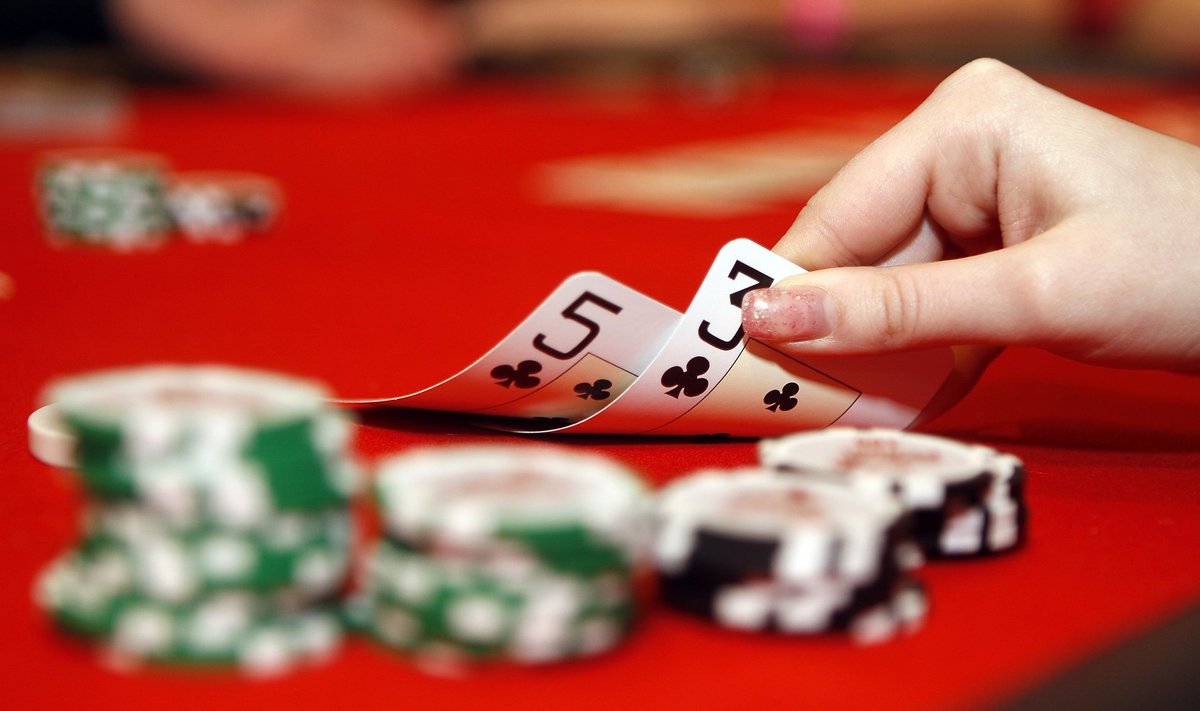
The hidden costs can also manifest in lost opportunities. Money that is spent at the casino could have been saved for important life expenses or investments, such as education, retirement, or a new home. This financial diversion can lead to regret down the line, as individuals may find themselves in a more precarious financial situation after years of gambling. Recognizing these patterns is essential to establishing healthier financial habits.
The Psychological Costs of Frequent Visits
The psychological impact of frequent casino visits can be profound, often leading to addictive behaviors and feelings of anxiety. Gambling can offer a temporary escape from reality, but it can also create a cycle of dependency. Many players may find themselves chasing losses, which perpetuates a cycle of gambling that exacerbates financial woes and emotional distress. The thrill of the win can be intoxicating, but it can quickly turn to despair when losses accumulate.
Additionally, the stress that comes with losing money can lead to other mental health issues, including depression and anxiety. Players might find themselves in a constant state of worry, contemplating previous losses and fearing further financial ruin. This mental burden often goes unnoticed until it has a significant impact on overall well-being and relationships.
Moreover, social isolation is a common consequence of gambling addiction. As individuals devote more time and money to their gambling habits, they may withdraw from family and friends, negatively affecting their support systems. It is crucial to address these psychological costs, as awareness and acknowledgment can play a vital role in breaking the cycle of addiction and promoting healthier lifestyles.
Alternative Forms of Entertainment
For those who enjoy the thrill of casinos but want to avoid the hidden costs, exploring alternative forms of entertainment can be beneficial. Activities such as social gaming, live music events, or even local sporting events can provide excitement without the financial risks associated with gambling. These alternatives often allow individuals to bond with friends and engage in enjoyable experiences without incurring the same financial burden.
Moreover, investing time in hobbies or sports can provide not just entertainment, but also physical and mental benefits. Activities such as hiking or joining a local gym can foster a sense of community while promoting a healthier lifestyle. Utilizing the same social aspect found in casinos, these alternatives can help individuals foster connections and create rewarding experiences without the escalating costs attached to gambling.
Ultimately, finding different avenues for entertainment can mitigate the lure of the casino and provide engaging experiences that enhance life without the underlying financial risks. Encouraging a balanced lifestyle tends to lead to more sustainable happiness and fulfillment in the long run.
Understanding Your Spending Habits and Seeking Help
Understanding one’s spending habits is the first step toward regaining control over gambling expenditures. Keeping track of money and time spent at casinos can provide insights into personal behaviors and motivations. Many find that establishing a budget or limits on both time and money can help curb the urge to overspend. Self-awareness and accountability can empower individuals to make better choices regarding their entertainment and overall financial health.
For those who find themselves struggling with gambling addiction, seeking help is crucial. Many resources are available, including support groups and counseling services, which focus on understanding gambling addiction and finding healthier coping mechanisms. These organizations often provide understanding, empathy, and practical advice for managing gambling habits and addressing the emotional and financial toll that they can bring.
In conclusion, recognizing the hidden costs of frequent casino visits is essential for anyone who might be caught in the cycle of gambling. By acknowledging both the financial and psychological impacts and considering alternative forms of entertainment, individuals can take significant steps toward maintaining healthier lifestyles. Seeking help when needed can empower individuals to reclaim control over their lives and make informed choices moving forward.