The Thrill of Uncertainty
The allure of casino gambling often lies in the thrill of uncertainty. Every game, whether it be roulette, blackjack, or slot machines, presents players with a mix of hope and suspense. This uncertainty activates various psychological responses, primarily the anticipation of a win, which can create a sense of excitement that fuels the desire to play, including at the best nongamstop casinos uk available online. The brain releases dopamine during these moments of excitement, reinforcing the behavior whenever a player experiences a win, further entrenching the enjoyment associated with gambling.
Moreover, the unpredictable nature of gambling can lead to what psychologists refer to as ‘variable reinforcement.’ Players find themselves rewarded at random intervals, which can lead to persistent gambling behavior. For instance, hitting a jackpot on a slot machine might not happen every time, but the excitement surrounding the possibility creates a compelling urge to keep spinning the reels. This cycle of hope and reward is critical in understanding why many find themselves drawn back to casinos time and again, despite the risks involved.
Additionally, the thrill of uncertainty feeds into the concept of risk-taking behavior. Research indicates that individuals with a propensity for risk often gravitate towards gambling as a form of entertainment. The rush associated with placing a bet and awaiting the outcome can be likened to extreme sports or other high-stakes endeavors, providing an adrenaline high. This connection highlights a deeper psychological need for excitement and adventure in one’s life, making casinos an appealing destination for thrill-seekers.
The Role of Cognitive Biases
Cognitive biases play a significant role in shaping a gambler’s mindset. One prevalent bias is the ‘illusion of control,’ where individuals believe they can influence outcomes that are actually determined by chance. For example, a poker player may assume that their skill can alter the odds, despite the inherent unpredictability of the game. This belief can lead to overconfidence, prompting players to wager larger amounts than they ordinarily would, often resulting in significant losses.
Another critical bias is known as the ‘gambler’s fallacy,’ which occurs when players mistakenly believe that past events will influence future outcomes. A player might think that because a certain number hasn’t come up in roulette for several spins, it is ‘due’ to appear soon. This fallacy distorts decision-making and can keep players engaged for extended periods as they chase their perceived luck. The continuous cycle of reasoning can lead to deeper financial and emotional investments in gambling.

These cognitive biases create a psychological trap that can lead to harmful behaviors. Understanding these biases is essential for both players and professionals within the gambling industry. By recognizing how such biases affect decision-making, responsible gambling measures can be better designed and implemented. This understanding can help mitigate the risks associated with excessive gambling, providing players with tools to make more informed choices.
Social Dynamics in Gambling
The social aspect of gambling is another psychological factor that contributes to its popularity. Many individuals view casinos as social venues where they can interact with friends and strangers alike. This communal atmosphere fosters a sense of belonging and shared excitement, enhancing the overall experience of gambling. The act of cheering on fellow players or sharing in the jubilation of a win creates social bonds that reinforce participation in gambling activities.
Moreover, group dynamics can significantly influence individual behavior within a casino. The phenomenon known as ‘social facilitation’ suggests that people may engage in riskier behavior when in a group. Surrounded by fellow gamblers, individuals may feel emboldened to place larger bets or try more challenging games, spurred on by the enthusiasm in the air. This social pressure heightens the thrill of gambling while simultaneously increasing the potential for losses, as individuals may make choices they wouldn’t consider in isolation.
Additionally, the role of marketing and advertising in casinos cannot be overlooked. Many establishments employ strategies that highlight the collective experience of gambling, using visuals and narratives that emphasize enjoyment and camaraderie. Such marketing reinforces the notion that gambling is not just an individual endeavor but a shared journey. This approach further encourages players to participate in the casino environment, making it a go-to destination for social interaction and entertainment.
The Emotional Rollercoaster of Gambling
Engaging in casino gambling can evoke a wide array of emotions, from euphoria during a win to despair after a loss. This emotional rollercoaster is a compelling reason many are drawn to gambling despite its inherent risks. Winning can lead to feelings of happiness and empowerment, while losing can trigger frustration and sadness. This dichotomy of emotions plays a crucial role in the psychological appeal of gambling, as players often seek to recreate those high moments, striving to regain that exhilarating feeling.
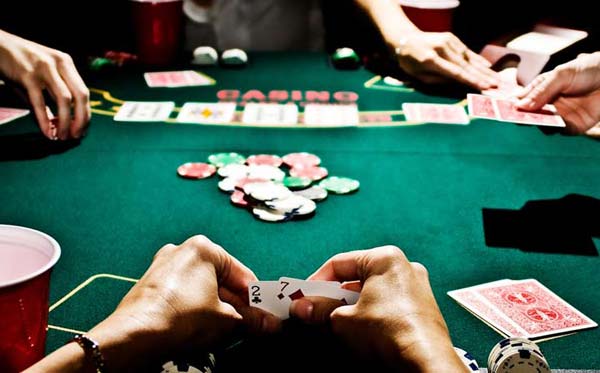
Interestingly, research suggests that the emotional highs associated with gambling wins are not just fleeting; they can create lingering feelings of nostalgia that reinforce future gambling behavior. A player who remembers the thrill of a big win may be more inclined to return to the casino in hopes of replicating that experience. This cycle can lead to compulsive gambling, as the emotional stakes become intertwined with the behavior itself, often resulting in a pattern of repeated engagement that can be difficult to break.
Additionally, the use of coping mechanisms often emerges in the gambling world. For some, the casino can serve as an escape from daily life stressors. The excitement and distraction of gambling can provide temporary relief from personal issues, leading to more frequent visits in pursuit of emotional refuge. However, this reliance on gambling as a coping strategy can escalate into a problematic relationship, as individuals seek solace in an environment that may ultimately contribute to their distress and exacerbate underlying issues.
Discover More Insights on Gambling Psychology
Understanding the psychology behind casino gambling is essential for those involved in the industry, as well as those who gamble. By delving into the motivations, biases, and emotional responses associated with gambling, stakeholders can work towards promoting healthier gambling practices. Educational initiatives and awareness campaigns are vital in helping players recognize their behaviors and make informed decisions when gambling. Such resources can empower individuals with the knowledge needed to navigate the complexities of casino environments.
Furthermore, resources for responsible gambling have become increasingly vital within the industry. Websites dedicated to promoting safe gambling practices provide valuable information about recognizing the signs of gambling addiction and accessing support. These efforts aim to create a balanced environment where the entertainment aspect of gambling can coexist with the necessity for responsible behavior. By fostering awareness and understanding, the industry can encourage a healthier relationship with gambling.
In conclusion, the journey of exploring the psychology behind casino gambling reveals multifaceted dynamics that influence player behavior. From the thrill of uncertainty to social interactions and emotional responses, the complexities of gambling are significant. By raising awareness and encouraging responsible gambling practices, it is possible to foster a healthier approach to this form of entertainment, ensuring that enjoyment does not come at the cost of personal well-being. The exploration of these psychological factors is crucial for creating a safer gambling landscape for all involved.